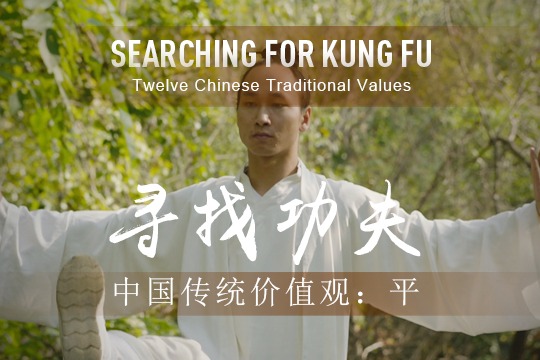
12 Traditional Chinese Values: Balance
Introduction
Balance, known as ping in Chinese, is an essential concept that signifies the harmonious coexistence of different elements in equal, correct, or beneficial amounts. It is foundational not only in maintaining personal equilibrium but also in fostering societal harmony. The concept of balance is deeply embedded within traditional Chinese values and is considered a vital component of living a healthy and fulfilled life. Within Chinese culture, balance extends beyond personal well-being, encompassing interactions with the environment, society, and the cosmos. It serves as a guiding principle across various aspects of life, including art, literature, medicine, and education, influencing how individuals perceive and engage with the world around them.
Historical Background
The notion of balance is deeply rooted in the historical and philosophical traditions of China. It is a key concept in Confucianism, Taoism, and Buddhism, which have all contributed to its development and understanding. Confucianism emphasized societal harmony and order, placing balance at the core of its teachings. Taoism further developed the idea of balance through the concept of Yin and Yang, symbolizing the duality and interdependence of opposing forces. These philosophical foundations have significantly influenced the cultural and intellectual landscape of China, shaping how balance is perceived and applied throughout history.
Balance in Confucianism
In Confucianism, balance is synonymous with harmony and is seen as a fundamental principle for maintaining social order and personal integrity. Confucius, the founder of Confucian thought, advocated for a balanced life where individuals fulfill their roles and duties within society while cultivating personal virtues. The Confucian ideal of balance involves the harmonious interplay between various aspects of life, including familial relationships, social interactions, and moral obligations. According to Confucian teachings, achieving balance requires self-discipline, respect for hierarchy, and adherence to ethical principles. This balanced approach is believed to lead to a stable and prosperous society, where individuals live in accordance with their values and contribute positively to the community.
Cultural Significance
The cultural significance of balance in Chinese society cannot be overstated. It is a value that permeates all levels of social interaction and cultural expression. Balance is revered as a symbol of wisdom and enlightenment, reflecting an individual's ability to navigate complexities and contradictions with grace and insight. In traditional Chinese culture, balance is celebrated in various forms, from architectural design and culinary arts to rituals and festivals. It is also reflected in the Chinese language, where idioms and proverbs emphasize the importance of maintaining equilibrium in different aspects of life. By valuing balance, Chinese culture encourages individuals to seek harmony within themselves and their surroundings, promoting a sense of peace, stability, and continuity.
Balance in Art and Literature
Balance is a prominent theme in Chinese art and literature, where it is often depicted through symbolism and allegory. In traditional Chinese painting, balance is achieved through the careful arrangement of elements within the composition, creating a sense of harmony and proportion. Artists use techniques such as contrast, symmetry, and asymmetry to convey balance, often drawing inspiration from nature. In literature, balance is explored through narratives that emphasize moral lessons and ethical dilemmas, reflecting the complexities of human experience.
Balance in Medicine and Health
In traditional Chinese medicine (TCM), balance is considered a cornerstone of health and healing. TCM emphasizes the balance of energies within the body, particularly the harmony between Yin and Yang. Practitioners of TCM believe that illness arises from imbalances in these energies and aim to restore equilibrium through various treatments, such as acupuncture, herbal medicine, and qigong. The concept of balance extends to dietary practices, where foods are categorized based on their energetic properties and consumed in combinations that promote harmony within the body. This holistic approach to health underscores the importance of balance in maintaining physical and mental well-being, aligning with the broader cultural emphasis on harmony and balance.








